A well-lit exterior changes the method a home really feels after sunset. Not just from the visual, yet from the porch, the driveway, the patio, and the backyard where individuals in fact hang out. Great lighting does not scream. It forms the design, softens shadows, improves safety, and makes normal evenings feel a bit even more considered.
That is why passion in Permanent LED Lighting Installation has actually grown so rapidly. Homeowners that when pulled out ladders every winter season or strung short-lived coffee shop lights every springtime are now searching for something a lot more refined and sturdy. They want a system that works year-round, mixes into the structure, and can shift from downplayed beauty on a Tuesday night to festive shade during a holiday celebration. The challenge is obtaining that adaptability without making your home look like a style park.
The most effective setups start with restriction. Classy exterior setting is hardly ever about more components. It is about far better positioning, much better shade temperature, and far better control. When the system is thoughtfully created, your house looks completed, not overlit.
The distinction between permanent lights and seasonal lighting
A great deal of people listen to "Irreversible Holiday Lights" and envision visible tracks, bright colors, and a roofline that only makes sense in December. That version exists, yet it is only one slice of what long-term outside lights can do. The category has grown. Numerous more recent systems sit inconspicuously under soffits, put into trim information, or incorporate along fascia lines so they are almost unseen during the day. At night, they can provide warm white building illumination for a lot of the year, after that change to holiday scenes when the occasion requires it.
That dual purpose is what makes the investment functional. As opposed to spending for short-lived installs every season or replacing weather-damaged hairs, home owners can make use of the exact same framework for day-to-day appeal, security illumination, entertaining, and vacations. In my experience, the house owners happiest with these systems are not the ones that wanted the brightest display screen. They are the ones that desired their residential or commercial property to look tranquil, refined, and simple to live with.
Start with the style, not the app
Lighting companies commonly lead with application functions, color areas, and presets. Those issue, however they must come later. The first question is constantly architectural: what deserves light?
A high gable may benefit from a soft roofline clean. A rock façade might need a reduced, warmer angle to disclose texture. A deep front patio can conveniently end up being a dark space unless illumination is split underneath the overhang. A modern home with clean straight lines usually wants accuracy and restraint, while a traditional home with columns, dormers, and fully grown landscape design can deal with even more deepness and variation.
One of one of the most usual errors in Permanent LED Illumination Installment is treating every residence the same. A cottage, a colonial, and a modern farmhouse do not need the exact same spacing, result, or light beam pattern. If you light all 3 with the exact same layout, all three will look somewhat wrong.
The much better method is to identify the leading aesthetic lines of the home and develop outward from those. Roofing system optimals, eaves, porch beams, garage borders, path edges, and crucial landscape attributes can interact if they are not completing. Outside illumination should lead the eye, not draw it in 6 directions.
Roofline lighting that goes away by day
For most homes, the roofline is the natural starting factor. It specifies the silhouette and uses clean continuity. Yet classy roofline lighting relies on concealment. The fixtures, networks, or pixel nodes must be hidden from typical sightlines as high as feasible. If you can stand at the aesthetic in daytime and instantly see the equipment, the setup normally needs more thought.
Under-soffit positioning has a tendency to work well due to the fact that it shields the source and softens the effect. In homes without soffits, trim-mounted channels can still look clean if they are color-matched and thoroughly straightened. This is where craftsmanship issues. A line that roams even half an inch can end up being surprisingly obvious, particularly on basic modern-day façades.
For day-to-day atmosphere, numerous house owners settle on Standard Cozy Soft Lights in the 2200K to 3000K range, depending upon the home's materials and existing components. That cozy range flatters block, wood, and all-natural stone. It additionally really feels welcoming as opposed to business. Cooler whites can service certain modern homes, but they are far much less flexible. In a lot of neighborhoods, warm light ages much better and blends much more beautifully with veranda sconces and landscape lighting.
Layering the front entrance for depth
The front door is where style comes to be individual. It is the place visitors strategy, bundles arrive, and member of the family return home at the end of a long day. Yet numerous entryways are either overlit by a solitary rough fixture or underlit in a manner that feels gloomy.
Permanent exterior LEDs can assist, but they ought to not change every other light source. The best access utilize layers. The irreversible system can define the roofline or porch side while dedicated sconces, recessed lights, or subtle action lights manage human-scale lighting. This creates measurement. It likewise prevents the flat, washed-out appearance that happens when one system tries to do every job.
I as soon as saw a handsome two-story block home where the owner had actually mounted a solid direct roofline system and presumed that would address the dark porch issue. From the road, the home looked laid out perfectly. From the front actions, the porch still really felt cave-like. The solution was straightforward: lower-output recessed canisters in the veranda ceiling and warmer light bulbs in the side lanterns. Unexpectedly your house made good sense. The lesson was not that the roofline system failed. It was that ambient design illumination and functional entry lights need to work together.
Landscape assimilation makes the entire property feel intentional
Permanent LED systems are commonly talked about as if they belong only on the residence. In truth, a few of one of the most elegant results originate from what happens past the walls. A roofline alone can feel a little bit removed if the yard goes down right into darkness. Also modest landscape lighting can bridge that gap.
Trees near the front elevation are specifically beneficial. A soft uplight on a Japanese maple, olive tree, or fully grown oak gives the façade context and range. Reduced path lights can draw the eye from the driveway to the entrance without transforming the sidewalk right into an airport runway. Wall grazing on a rock planter or gentle light on ornamental yards can resemble the tones of the house lights and make the scene feel composed.
The trick is equilibrium. If the landscape is significantly brighter than the house, the architecture goes away. If the house is much brighter than the landscape, the lawn feels neglected. The best nighttime exteriors have an even aesthetic conversation in between constructed and planted elements.
Backyard atmosphere should have a different approach
Front-of-house lights usually leans building and restrained. The backyard can be softer, reduced, and more intimate. That does not imply laid-back or arbitrary. It indicates the top priorities shift.
A patio area utilized for dining needs lovely light at table height or somewhat above, not a blast from the roofline. A pool location might require side definition https://fixedledlighting574.zenbloomer.com/posts/what-to-know-before-purchasing-permanent-vacation-lighting and security presence without glow showing off the water. A pergola benefits from hidden straight light put right into beams or posts. Exterior kitchen areas require task lighting that is more powerful than lounge lights, yet not sterile.
This is where long-term systems can beam, particularly when the controls allow different zones. The cooking area can run brighter while seating locations stay low and warm. Throughout a party, the boundary can be lifted for ambience. Late in the evening, most of the backyard can dim down while staircases and accessibility paths stay visible.
Many house owners take too lightly just how little light is needed in a backyard to develop comfort. You do not require to fully light up every edge. Actually, darkness is part of what makes a yard feel relaxing. The technique is to light limits, collecting locations, and focal attributes while allowing the sides drop away naturally.
Color must be an accent, not the default
One of the greatest marketing points of Long-term Holiday Lights is programmable shade. Conserved, that function is wonderful. Made use of constantly, it can lower the look of an otherwise stunning home.
For a lot of the year, warm white or very soft brownish-yellow tones produce the most elegant outcome. Shade is finest booked for moments with a reason behind them: wintertime holidays, local team celebrations, birthdays, college graduations, or seasonal events. Also after that, fewer shades generally look much better than even more. Two coordinated colors can really feel refined. Five going after patterns across every elevation generally do not.
A specialist installer need to agree to speak a client out of specific choices. That might sound weird, yet great illumination style involves editing and enhancing. The application might use lots of effects. Your home only needs a handful that really fit it.

I have seen homes where the owners at first desired every vacation programmed with full-spectrum animation. After dealing with the system for a couple of months, they seldom used those presets. What they enjoyed was the nighttime cozy white setting, a soft fall brownish-yellow for outdoor dinners, and a restrained red-green combination in December. The innovative settings ended up being the favorites since they made the house appearance expensive, not busy.
Where long-term systems function particularly well
Some properties profit more than others from a permanent option. Large multi-level homes with difficult rooflines frequently see the clearest reward since momentary illumination is difficult and costly every year. Houses with high tops, high driveways, or tough wintertime accessibility also gain a safety benefit by minimizing seasonal ladder work. Entertaining-focused homes value the adaptability, particularly if the exterior spaces are used in several seasons.
Older homes can additionally profit, but they require additional level of sensitivity. Historic trim details, irregular surfaces, and noticeable craftsmanship imply the setup has to be discreet. On those projects, the installing method is usually as crucial as the light output. A poor install on a charming older residence attracts attention immediately.
Warmth issues greater than brightness
People tend to go shopping lights by illumination since it feels quantifiable. However the psychological quality of outside lighting comes much more from warmth, circulation, and contrast than from raw result. A brighter system is not always a better one.
Classic Cozy Soft Lights stay prominent for a factor. They flatter complexion at the front door, they enhance all-natural materials, and they assist homes feel occupied rather than just presented. In useful terms, they also generate less visual fatigue. Neighbors value them much more. Guests stick around even more conveniently. And from indoors, watching out into a warmly lit exterior really feels calmer than staring at a chilly white perimeter.
Brightness still has its place. Driveway changes, side-yard access courses, and tip sides may need stronger lighting for security. Yet those locations should be addressed with objective, not by worldwide raising the result of the whole system.
Controls can make or damage the experience
A stunning lighting setup declines fast if it is frustrating to use. Home owners must have the ability to establish scenes, routines, and seasonal adjustments without requiring a hands-on whenever. The most effective systems provide easy control for daily use and much deeper personalization for individuals that want it.
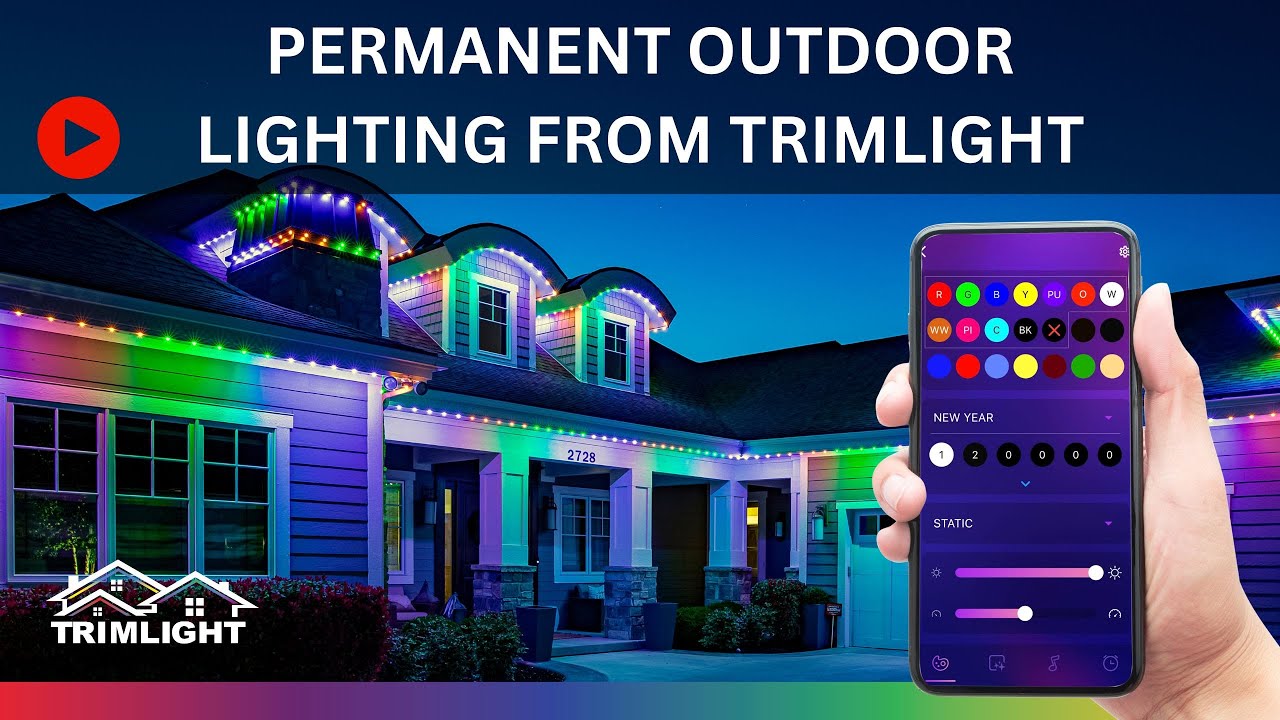
At a minimum, it assists to think in terms of areas. The front elevation, access, yard enjoyable location, paths, and accent attributes must not all be tied together with identical actions. A quiet weeknight setting might require subtle front and course illumination just. A vacation event might expand to include the yard and color accents. An away setting might keep the front active while limiting everything else.
Reliability issues as long as features. Outside systems live through heat, moisture, plant pollen, dust, and freezing problems. Controllers, links, and power materials require weather condition defense and sensible placement. It is rarely the LED itself that causes irritation initially. Regularly it is a weak link, an improperly secured element, or a control user interface that was oversold and under-tested.
Installation information that divide excellent from excellent
There are a few details that experienced installers pay very close attention to due to the fact that they affect the seek years afterward. Color-matched channels and fasteners are one. Cable administration is another. Use matters as well. If an area needs maintenance, can it be accessed easily without disturbing the rest of the run?
Spacing is a major choice. Wider spacing can lower aesthetic density and cost, but might produce populated factors of light instead of a smooth line, particularly on larger homes. Tighter spacing can look richer, though it may be greater than a modest exterior needs. The best solution depends upon seeing distance, architectural scale, and whether the system is mainly utilized for cozy white style or for computer animated vacation effects.
Here are a couple of sensible inquiries worth answering before installation starts:
Where will the hardware be the very least noticeable in daylight? What cozy white setup will be the daily default? Which locations need independent control zones? How perseverance materials and controllers be safeguarded and accessed? What components of your home should remain dark for contrast?Those concerns seem easy, yet they stop many costly dissatisfactions. The goal is not just to get lights onto your house. The goal is to make the home look far better every night.
Matching design to home type
Different building styles respond differently to permanent lights. On a modern-day home, even spacing and a tidy hidden line can highlight geometry perfectly. On an artisan or farmhouse, a somewhat softer treatment with warm tones and sustaining veranda illumination typically really feels a lot more natural. Mediterranean and coastal homes usually take advantage of a golden heat that plays perfectly with stucco and ceramic tile. Block colonials can look majestic with controlled roofline emphasis and carefully lit trees rather than aggressive outlining.
This is one location where showroom demonstrations can be misleading. An intense animated screen might look amazing on a sample board or in a sales video, yet what matters is just how the light remains on your actual house after dark, from multiple angles, in all seasons. Mockups or short-term examination sections can be unbelievably beneficial. Even a solitary evening trial on one roofline sector can expose whether the shade temperature or node spacing really feels right.
Budget expectations and where to spend wisely
Costs vary extensively based upon linear footage, home height, system type, and labor conditions. A single-story home with basic eaves is a very various job from a high personalized home with several peaks, stone outlining, and incorporated landscape areas. Instead of chasing the most affordable quote, it helps to comprehend where cash is well spent.
Concealment, weatherproofing, control quality, and clean installment labor are generally worth paying for. Those are the components you see gradually. A bargain system that looks messy in daytime or falls short at the initial power supply concern is not a deal. On the various other hand, not every task needs the most innovative computer animation bundle or the densest pixel count available. If the key objective is elegant year-round setting, investing in cozy white performance and visual subtlety frequently matters greater than acquiring every feature.
The downplayed appearance lasts
Outdoor lighting fads come and go. Extremely trendy whites had a wave. Overly bright soffit illumination had one as well. So did color-every-night novelty. The setups that age ideal are the ones that respect your house and the neighborhood.
An irreversible system need to make the residential or commercial property really feel more full on a normal night in April, not simply a lot more joyful in December. When house owners pick Permanent LED Illumination Installment keeping that frame of mind, they typically make better choices concerning placement, intensity, and controls. They select Timeless Cozy Soft Lights as the baseline. They use shade with purpose. They allow some areas continue to be dark. They think of the experience from the sidewalk, from the driveway, and from the favorite chair inside the living room.
That is where classy outside setting actually starts. Not with excess, but with confidence. Not with the loudest effect, however with the most taken into consideration one. A home that shines carefully after sunset, welcomes people in, and silently highlights its ideal attributes will last longer than nearly any kind of fad. And unlike temporary arrangements that reoccur with the period, a well-designed permanent illumination system becomes part of the style itself, useful, lovely, and simple to delight in every night of the year.